Showing posts with label slavic gospel association. Show all posts

Sunday, July 14, 2013

Religious freedom a stuttering pulse in Central Asia

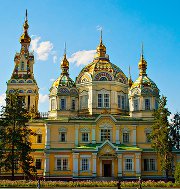
(Cover photo courtesy of Stefan Krasowski/Flickr.
 Story photo courtesy of SGA.)
Central Asia (MNN) ― There are 12 nations either in Central Asia or sometimes included in listings of Central Asia. Of those 12 countries, 10 of them are on the World Watch List for worst persecution of Christians.

That means Central Asia makes up 20% of the World Watch List.

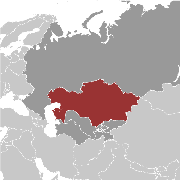
Countries on the World Watch List located completely or partially in Central Asian include Uzbekistan, Kazakhstan, and China.

Islam is the prominent religion in Central Asia, and restrictions on Christians make ministry difficult.

Slavic Gospel Association (SGA) is currently holding children’s summer camps to share the Gospel in Russia and the surrounding Central Asian countries with heavy Muslim presence. Last weekend, SGA President Bob Provost received a disturbing e-mail from one camp’s church leaders.

15 agents including law enforcement and alleged medical personnel swept into an SGA-sponsored children’s camp. The authorities took several photographs, arrested the camp leaders, and heavily fined them. Some of the frightened kids were even interrogated. When parents heard about the incident, they were alarmed.

Joel Griffith with SGA says, “The specific wording of the charge was ‘holding an unsanctioned religious gathering,’ and even that can be very difficult. I mean the church is trying to follow the law there, and the law says that they have to register their churches; so they do everything they can possibly do to follow the law, and then the authorities throw obstacles in their way to make it impossible for them to register their churches.”

They’re seeing a step-up in persecution of Christians in Central Asia. Even for security concerns, SGA was unable to share the specific nation and needed to protect the identities of the church leaders.

“We know of situations in this same country where there are churches that have to meet discreetly, even going out in the woods sometimes,” says Griffith. “They circulate the word of the services by word of mouth and try not to communicate it electronically or by telephone because they’re watched carefully. That’s basically the reality of how Christians in this particular country have to operate.”

Even the requirement that churches register in Muslim-dominated countries is difficult. Griffith states, “These laws that these countries are passing can be very arbitrary. Sometimes the provisions in these laws can be very contradictory. I know that some of them at times have been appealed to places like the International Court of Human Rights. I know that a lot of religious rights and human freedom watchdog organizations keep an eye on this sort of thing to see when new legislation comes out that could potentially impact the freedom of the churches.”

Now the church leaders from the SGA children’s camp could face property confiscation if they can’t pay the fines in a short amount of time.

“These church members and church leaders do not have a whole lot of resources. The fines, if I were to give them in American dollars, would not sound necessarily like a whole lot of money,” says Griffith. “But to these people who are largely very poverty stricken, these fines are sometimes insurmountable. It is a serious situation.”

Despite the oppression, believers in the Central Asian country are pressing on, says Griffith. “They lived under the communist system, and they know what it’s like to have to operate under these restrictions--and even worse. They’re certainly going to keep proclaiming the Gospel as they always have.”

Griffith goes on to share, “The purpose of our ministry at SGA is basically to come alongside them and serve them however they need us. First we help by getting the word out for intercessory prayer, and then we do our best to help sponsor in terms of some of the financial resources they need for the children’s Bibles, materials, supplies.... Yet, as I say, we have to do it very discreetly because of the issues that get raised.”

When SGA was founded around 80 years ago, founder Peter Deyneka's motto was, “Much prayer; much power.” Please pray for the church leaders to be able to pay the fines and to continue in ministry somehow. Pray for the kids and their families, and for religious freedom in Central Asia.

If you’d like to support SGA’s ongoing ministry with churches and children’s summer camps, click here.


Monday, February 11, 2013

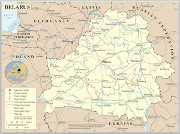
Religious oppression continues in Belarus


Belarus (MNN) ― Imagine having the state control where you have church. Imagine having to stay out of sight when you practice religious freedom. In Belarus, officials are often hostile toward Christ-followers: people they see as a threat.

(Photo Courtesy of SGA)
Joel Griffith with Slavic Gospel Association (SGA) says, "It's Evangelical Protestant Christianity that they give a hard time to, particularly."

New Life Church in Minsk is famous for its back-and-forth battle with the government. In 2002, they had to fight to keep control of their private church property. In November of 2012, they were once again threatened by the government.

In Belarus, members of a religious organization do not have the right to share their convictions or to carry out any religious activity beyond the borders of the location where the community is registered.

"In terms of religious freedom, though, it really has proven to be a mixed bag through the years. The government does indeed keep very tight controls, especially over evangelical Christianity. But it seems like, if you watch it over time; you have periods of ebb and flow," Griffith said.

He adds that there are times when some local regional leaders are quietly supportive of the ministries. "You can see some significant ministry take place, as long as they keep it low key."

Forum 18 noted that in the most recent years, the government has been more reluctant to crack down on religious freedom. Griffith noted, "The reason they attribute to that is that they don't want political opposition to increase."

He adds, "The evangelical churches that SGA serves are certainly dedicated. They're intent on proclaiming the Gospel, and I think one thing that works in their favor...is they try to avoid politics. They really just want to focus on their ministry and proclaim the Gospel."

SGA is very flexible when it comes to supporting local pastors, churches, and other Christian ministries. "We do our best to sponsor missionary pastors," Griffith said. "We help them distribute Russian language Bibles and Christian literature; we're involved in helping evangelical churches there do orphan's ministry through a program we call 'Orphans Reborn.'"

"Our basic purpose is to serve evangelical churches in whatever way the Lord opens up. We don't view it as our place to be a sending organization, to send western missionaries over. We very much believe in serving the indigenous church and helping them reach their own people," Griffith said.

Griffith asks you to pray that the "freedom to worship and minister would open up, that there would be a change of heart in the leadership so that they would really allow true religious freedom there and freedom to proclaim the Gospel openly, without having to be quite so discrete about it."

Sunday, February 10, 2013

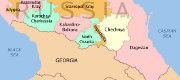
Pray that God would keep opening doors for missionary pastors in Chechnya

(Image courtesy of Wikipedia)

Chechnya (MNN) ― Jihad rages on in the North Caucasus, but it suffered some major losses in recent days.

Some reports say bombings and attacks from Islamic radicals are a weekly occurrence in the political region consisting of Chechnya, Dagestan, North Ossetia, and six other former Soviet Union nations. As a result, Christian work must be done discreetly.

"They're very much Islamic terrorists, and that can certainly make things very dangerous for Christians that are there," says Joel Griffith of Slavic Gospel Association.

Earlier this week, Russia announced Gusen Magomedov--the last surviving militant involved in Moscow's 2010 twin suicide bombings--had been killed by forces patrolling a forest hideout in the North Caucasus.

In March 2010, Magomedov had been seen escorting one of the suicide bombers to her destination: a busy Moscow underground where twin bombings claimed more than 40 lives. The attacks were orchestrated by Chechen Islamist rebel Doku Umarov.

At the end of January, Russian forces killed at least 11 Islamic militants in Chechnya. Among the dead were two senior jihadists commanders, Khusein and Muslim Gakayev. The brothers were among Russia's "most wanted" men for their active involvement in terrorist activities.

Despite the deaths of these key militant leaders, Griffith says Chechen believers aren't in the clear yet. Pray that the Chechen government would take its foot off of the Church as it gains victories over Islamic terrorists.

Pray "that they would lessen the controls that are on evangelical Christians there to allow them more freedom to minister and operate," requests Griffith.

Pray also for open doors to share the Good News of Jesus with jihadists.

"Yes they're terrorists, yes they're out to committing a lot of violence and atrocities, but they're still human beings in need of the Gospel," says Griffith.

SGA supports missionary pastors who live in neighboring countries and visit Chechnya to encourage believers there. You can help their work by clicking here.

"When they go into Chechnya and some of these other heavily-Islamic regions of the Caucasus Mountains, they do so in a very low-key way, and we don't publicize when and where and what they're doing," Griffith explains.

"We know that God is at work changing hearts and lives, so we just need to remember them in prayer, that they would find more opportunities and that the people would come to saving faith there."

Thursday, December 20, 2012

Crackdown on religious freedom continues

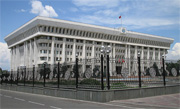
(Image courtesy of Wikipedia)

Central Asia (MNN) ― Like the steady drip of a leaky faucet, authorities are slowly but surely draining religious freedom from Central Asia.

According to Forum 18, Kyrgyzstan leaders flew under the public radar in recent days, adding new censorship amendments to the country's Religion Law.

While authorities were unable to tell Forum 18 what censorship categories like "extremism," "separatism" and "fundamentalism" meant under the new amendments, a political analyst said it could spell trouble for Protestant Christians.

"No one will check Muslim Board or Russian orthodox literature, but faiths deemed 'non-traditional' could face problems," the analyst said.

Joel Griffith with Slavic Gospel Association says, "It's apparently going to increase state control over religious literature and other materials. It really remains to be seen, though, exactly how this is going to be implemented and carried out.

"This is all part and parcel of something larger that's actually been going on in the so-called 'Stan' countries for some time."

Central Asia consists of five countries that once belonged to the Soviet Union: Kazakhstan, Kyrgyzstan, Tajikistan, Turkmenistan and Uzbekistan. While Kyrgyzstan is tightening the collar on its Religion Law, church registration is a challenge in Kazakhstan and having more than a Bible in Uzbekistan could send you directly to jail.

"The interesting thing is: in the former Soviet days, you had atheistic Communism that was against religion in general," Griffith states. "Nowadays what we're seeing, even though the governments of these nations are…considered secular: [Islam is becoming] predominant. Because of that, other religious groups tend to receive some pressure.

"But…and this is an interesting thing to watch," Griffith continues. "The governments are also concerned about Islamic extremism and terrorist activity."

He cites last year's attacks as an example.

"That had not happened in Kazakhstan before," Griffith explains. "Even though Islam is the predominant religion inside these Central Asian countries, you're going to have the secular government scrutinizing very closely what's going on."
Could the region possibly be returning to its atheistic Soviet roots?

"It really is a mixed bag of what governments are doing and the reasons they're giving for doing i. But in the sense of religious freedom in general, the trend is not promising, and we need to make that a matter of prayer," Griffith says.
Pray for wisdom and discernment for God's people in Central Asia.

"We need to pray that as [believers] share the Gospel, the Lord would grant them open doors to be able to do that," says Griffith. "We also need to remember that God is not stopped by human governments from accomplishing His purpose."

Thursday, August 30, 2012

Kyrgyzstan's coalition falls, impact on Christians unknown

Kyrgyzstan's coalition falls.

Kyrgyzstan (MNN) ― Another government in a predominately Muslim nation has fallen. This time it's a former Russian Republic -- the Republic of Kyrgyzstan. This is a nation that has increasingly become antagonistic to evangelical Christians and has taken steps to curb religious freedom.

Slavic Gospel Association has limited work in the country for this very region. SGA's Joel Griffith says this isn't the first issue in Kyrgyzstan, but he describes what happened. "The most recent flare-up is this collapse of the coalition government. The two parties apparently withdrew in protest, and Reuters says basically their objections were a bad economy alleged corruption."

The two parties claim Prime Minister Omurbek Babanov has yet to enact a single reform and is accusing him of using "shadowy" organizations to handle money. It unclear what will happen next as there is no clear majority coalition in the five party system.

Griffith says the evangelical church has been under fire the last few years. "With an unstable situation, depending on who actually comes to power both in the parliament and in the presidency later, it could have a significant impact on evangelical churches in their freedom to either worship or proclaim the Gospel. So it's something that needs to be watched."

While persecution isn't new, Griffith says, "No matter what happens, churches are going to continue to proclaim the Gospel no matter what. But it certainly does stand the pressure is more than likely, the knot will tighten up in the days ahead."

According to Griffith, prayer is essential. "We really need to intercede for the churches there that the Lord would use this situation to somehow open the door for the churches to be able to freely worship and also to proclaim the Gospel. That certainly doesn't go with the trend, but the Lord can do anything, and that has to be our prayer."


Monday, August 13, 2012

Uzbekistan tightens grip on Christians

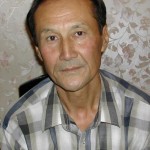
Uzbek man (File footage courtesy of Open Doors USA)

Uzbekistan (MNN) ―Uzbekistan appears to be taking the repression of Christians one step further.

Joel Griffith with Slavic Gospel Association explains, "It seems the authorities are going into private homes and actually confiscating religious books from these homes during the raids they make; and they're also threatening fines."

The case stems from a series of recent raids, as reported by Forum 18 News. Based on the details of the case, Forum 18 began questioning the apparent violations of due legal process, denials of legal representation, misrepresentation defendant pleas, untimely verdicts, and so-called "expert analyses" that confused Protestant books with Jehovah's Witness books.

Griffith notes, "Police confiscated one Bible in the Uzbek language, and then there was a Bible in the Russian language that was confiscated. Then, from one Protestant home, reportedly, a book by John Bunyan was confiscated." It was during that raid, Griffith says, when "police allegedly said that it's prohibited to have such books at home, that they were going to be sent to the Religious Affairs Committee of the government, and that the owner of the books would be fined."

Griffith goes on to say that the alarm bells began ringing because "this latest report on the private homes being raided and books being confiscated is certainly a step up from what they'd been doing previously."

The alleged violations of due process would seem to be unconstitutional, which is the same word used to defend authorities' actions, according to Forum 18. The judge in one of the cases claimed that the defendant was "engaged in anti-constitutional activity and is a member of Jehovah's Witnesses, which was confirmed by the literature confiscated from him."

Wrong on that last count, it turns out. But Griffith says this is more insidious. "Previously, they had been raiding summer camps and trying to shut down churches here and there and stopping public witnessing. But going into private homes is certainly a new twist."

The Baptist in that case filed an immediate appeal, which has yet to be heard. "There was a fine imposed for possessing religious literature. There was a Baptist fined. He was given the equivalent of 40 times the minimum monthly salary. That's about $1300."

Griffith says fear is initially what led to these vaguely-worded criminal codes. "The secular governments of these countries had been concerned about radical Islam. The thought was that if they're going to crack down on radical Islam for the appearance of fairness then, they needed to crack down on everybody."

However, as the countries in the former Soviet Bloc became more Muslim, "No matter what a constitution will say in a lot of these countries, the authorities pretty much end up doing what they want,"says Griffith.

Meanwhile, police have continued their raids and confiscations. "We know that the churches there are going to continue to proclaim the Gospel, no matter what the personal risk they have to themselves," says Griffith. The Body of Christ in places like Uzbekistan need advocates. "Obviously, the western governments will continue to protest and intervene in cases like these. 

But we as believers here in the West, above all, need to pray for our brothers and sisters there and come alongside and support them however we can."

Uzbekistan is #7 on the Open Doors World Watch List of countries known for the persecution of Christians. Pray for pastors trying to lead their churches with limited resources. Pray for courage for Muslim-background believers who experience great pressure from family and society.


Friday, July 6, 2012

Censorship of all religious materials coming soon?


Kyrgyzstan (MNN) ―Censorship on religious literature could soon be so restrictive in Kyrgyzstan that anyone wanting to "import, publish or distribute religious literature will have to seek prior permission from the authorities," reports Forum 18 News Service.

Despite being a reasonably free nation in regard to religious freedom after the fall of the Soviet Union, Kyrgyzstan has been imposing more and more restrictions to religious communities over the years. The behavior follows suit with the rest of neighboring former Soviet nations, but it is making religious communities increasingly cautious.

In 2009, Kyrgyzstan created a Religion Law, but it did not impose censorship on all religious literature, notes Forum 18. Now, amendments to the law have been proposed to tighten censorship by September.

The new amendment technically reads like this: "Control on the import, production, acquisition, storage and distribution of printed materials, film, photo, audio and video productions, as well as other materials with the purpose of unearthing religious extremism, separatism and fundamentalism is conducted by the plenipotentiary state organs for religious affairs, national security and internal affairs."

Many Kyrgyzstanis agree that would mean all-out censorship of all religious materials.

The amendment was initially refused by President Almazbek Atambayev in April, but it is now being considered by parliament's Education, Science, Culture and Sport Committee, says Forum 18.

If the amendment passes, the Committee has suggested the establishment of another committee which will exist exclusively to oversee the censorship. Essentially, local authorities won't be the enforcers: a specific task force will be.

Whether all-out censorship is being proposed to eliminate extremism or not, it will likely mean bad news for Christians. Evangelism has been getting more difficult over the last few years, but this could make it much harder.

Slavic Gospel Association partners with a number of churches in Kyrgyzstan. SGA's Joel Griffith says although the churches are concerned, it's not the first time they've faced persecution.

"We have to remember that the believers in these regions--the former Soviet countries--were for 70 years under communism where they had to face outright persecution and being jailed."

Griffith adds, "They're not going to be deterred in proclaiming the Gospel. They take the attitude of the apostle Peter and others: 'Shall we obey God, or shall we obey men?' They're going to choose to obey the Lord and continue to show the love of Christ and proclaim the Gospel, no matter what."

As of now, it looks like no certain decision will be made on the amendment until September. Until then, be praying for the Kyrgyz church. 

Monday, April 30, 2012

The battle against the Roma continues as 1,000 forced to resettle in Serbia

Mission Network News: "Russia (MNN) ― Around 250 Roma families were evicted from their homes in Serbia's capital, Belgrade, last week.

The Associated Press reports that some 1,000 Roma, known more commonly as "Gypsies," were placed on a bus and relocated to a new settlement. Despite the protests of many Roma--not to mention outcries from rights groups such as Amnesty International, the Serbian government has not relented on their eviction process. They have declared the Roma's Belgrade settlement to be illegal and preventative of construction projects."

Read more...

Thursday, April 19, 2012

Azerbaijan scrutiny through EuroVision fails to raise red flags

(Image courtesy of Eurovision)

Azerbaijan (MNN) ― The Eurovision Song Contest is an annual competition held among active member countries of the European Broadcasting Union.

It is one of the longest-running, most-watched television programs in the world.  

This year, Azerbaijan hosts the competition, and Forum 18 News Service notes that freedom of religion or belief and related human rights such as the freedom of expression and of assembly remain highly restricted. 

Joel Griffith with the Slavic Gospel Association explains, "This Eurovision Song Contest doesn't necessarily have religious freedom tied to it, but it is a major European event. And Azerbaijan is also a signatory to many conventions when it comes to human rights." 

The question is WHY these violated rights are being allowed to pass unchallenged with Eurovision's global scrutiny. 

"There just seems to be a real concern--not only with religious freedom groups but with human rights groups and Western governments, in general--that you would have signatories to these conventions that are supposed to guarantee human rights. And then you have a country that's known, in recent years, for cracking down on some of these freedoms."

Azerbaijan is part of the Caucuses with a Muslim-dominated population. It also ranks 25th on this year's Open Doors World Watch List, a compilation of countries known for the persecution of Christians.   

The country's record on this issue is not widely known. However, Griffith says, "Since 2003, we've had local and international human rights organizations document cases of fraud, corruption, human rights abuses, and rule of law. 

We've just seen a steady increase in reports of religious freedom being violated."

One case in point: as of January 2010, all religious groups were required to renew their registration. Since then, no new churches have been able to register. Congregations without registration are often raided, with church leaders arrested or fined.

Griffith says they saw what was coming and came alongside the church with a Bible institute to help with the training of church leaders prior to the changes. Although they're still working, "What we have to do--not just in Azerbaijan but in any of the former Soviet countries where you have a larger Muslim domination, especially in Central Asia--is try to help churches as discreetly as possible."

The atmosphere seems to more hostile than ever. Azeri believers are considered traitors as Christianity is associated with the country's rival, Armenia. Many Christians are unable to find or keep jobs and are monitored by the secret police. 

"The main thing we're able to do right now is try to help as discreetly as we can, and try to raise awareness of the situation. Obviously, intercessory prayer holds a major role in this. Pray for our brothers and sisters there that they would not only be able to obtain freedom to worship but also to proclaim the Gospel."

Wednesday, March 21, 2012

Uzbekistan tightens grip on unregistered churches with series of raids

Uzbekistan (MNN) ―Uzbekistan has earned its spot as 7th on the Open Doors World Watch List for the persecuted church and is proving its keep.

Basic religious rights have been defied multiple times in Uzbekistan over the last couple of months. According to Forum 18, last month police raided an unregistered church and confiscated literature, pianos, and church property. A week later, the church pastor was fined $3,421 -- a cost of 100 times the minimum monthly wage.

Just a few days before the raid on the church, a woman's home was raided. She was fined 20 times the minimum monthly wage, and her Christian books were handed over to Samarakand Regional Muslim Board.

Just a couple of weeks later, a Baptist congregation in the southern town of Mubarek was raided and will be fined.

These types of raids are not new to Uzbek Christians, and especially not to members of unregistered churches. Alleged "expert analyses" are routinely used by authorities to confiscate religious material, Forum 18 reports.

The number of serious raids and fines that took place in recent weeks has some concerned. "It really does seem like Uzbekistan is beginning to step up its campaign against unregistered churches and groups of any kind," says Joel Griffith with Slavic Gospel Association. "Of course we're watching to see what kind of trickle-down this has on even the registered churches."

Griffith agrees that raids like this could be indicators of worse persecution to come. Already, pastors have been arrested all across Central Asia.

The number of basic rights that have been denied is disconcerting. Uzbekistan and surrounding, oppressive nations continue to bring concern to human rights watch groups.

Despite the influx of persecution and more likely to come, the church is standing strong. SGA has to be discrete about what they've seen, as far as church growth is concerned. But Griffith does say this: "You could look on a global perspective: typically, the more they try to stamp the church out, the more it grows."

Pray for boldness for church members, especially those who are younger. Griffith says many older members of the church remember well what it was like to live under the oppressive Soviet regime, but younger Uzbeks don't. Pray for church growth despite persecution. 

Friday, March 2, 2012

What Russia's election will mean for the church

(Photo by Lyn Gateley. Cover photo
 courtesy of the World Economic Forum.)

Russia (MNN) ― No one really seems to be arguing the idea that Vladimir Putin will become Russia's next president this Sunday, March 4. Despite numerous protests, most news sources and other Russian insiders have all but declared Putin the winner.

When asked if it was possible that another of the four candidates could take office, Joel Griffith with Slavic Gospel Association replies, "Honestly, I would be really surprised if something like that were to happen."

Regardless of whether or not Putin is who the country wants, the question thus becomes: What will happen when he takes office?
The biggest fear for many Christians in any power change worldwide is that the church might have fewer freedoms. This fear is especially heightened in the former Soviet Union, of which Russia is a part.

"In the former Soviet central Asian countries--like Kazakhstan, Uzbekistan and the like--we've seen tremendous crackdowns the past few years against religious groups and evangelical churches," says Joel Griffith.

Even more disconcerting is that those crackdowns tend to be somewhat contagious across Central Asia, in particular. 

When amendments are made to a religion law in one country, similar amendments may follow in a neighboring nation. 

Russia has been able to stay relatively free, but there is awareness of these goings-on nearby.

"Our prayer is that Russia would certainly not go down that route, but that the churches would remain free and able to worship and proclaim their faith freely," notes Griffith.

The church in Russia is just praying for the best, says Griffith. Many are nervous that religious freedom could be jeopardized, but most choose to lay low on the political scene and maintain an optimistic outlook.

"They typically don't get really exercised about political things. They just do what they do. They remember what it was like to live under communist oppression, and the Lord brought them through that and opened a tremendous door for the Gospel when the wall came down. It's no different now."

It's hard to predict what may happen, and so for now, the church continues on its business as usual. In fact, the distress over the elections for many Russians may even be opening doors to share Christ.

"I think any time of transition and change is an open door for the Gospel because people are really doing a lot of soul searching during these times."

Pray that the result of this election would mainly be opportunities. 

Monday, February 20, 2012

Reality of Kazakh religion law comes into focus

Kazakhstan (MNN) ― Fears about Kazakhstan's new religion laws are coming to fruition.

Forum 18 News Service reported last week that the first known use of Kazakhstan's amended religion law went into effect against a Baptist shoe-repairer and father.

Aleksei Asetov was fined what locals estimate to be about a year and a half's average wages for leading a small congregation of believers in his home, according to Forum 18.

"Apparently this was done under some provision that was introduced in the new amendments to the religion laws that we've been talking about thus far. Then this judge, I guess, also banned the congregation from meeting," explains Joel Griffith with Slavic Gospel Association.

SGA has had a close eye on the new religion laws since their inception in October, 2011. The laws seem to incorporate harsher punishments for unregistered religious groups and put into question ministry to small numbers of people or to children. SGA and its Kazakh contacts have been nervously waiting since then to see just how far these laws would go.

The situation with Asetov appears to be one clue as to how the law will be enforced. Although Asetov is not the first religious person to be fined since the new laws were introduced, he is the first to be tried under new penalties. Forum 18 reports that when prosecutors presented a case against Asetov, it was to try him under the old law's conditions. The judge apparently told the prosecutors to start over with punishment suggestions from the new law instead.

It's not a good sign for the direction of Kazakhstan, says Griffith. "At least from what I'm seeing, we're going to start more and more incidents like this from varying degrees of severity just as this new law begins to be implemented across the country."

A number of raids have indeed been conducted on religious groups since October. In one incident, officials raided a church and confiscated all of their literature and religious DVDs, claiming the church was violating the law by distributing the literature. Though the church does not seem to have been distributing it at the time, officials say they must hold onto the materials for at least two months to investigate whether or not  they contain anything "negative."

This is only the beginning for this religion law in Kazakhstan, a nation that until recently has been one of the freer countries in Central Asia when it comes to religious rights.

At this point, though, there are still a number of questions as to how this law will affect its nation.

"What sort of obstacles are going to be in their way for forming a new church because of the numbers of requirements that would be imposed?" wonders Griffith. "Let's say if they're innocently trying to witness their faith out on the street, are they going to be arrested for doing so because they're outside their church building? Who knows? Are they going to be prohibited from working with children?"

For those answers, we will have to wait and pray.

Pray for the church to stay bold and encouraged. Pray that new laws would not prohibit the Gospel from spreading.


Friday, January 6, 2012

Kazakhstan and other former Soviet nations earn a spot on the World Watch List

Photo by Irene

Kazakhstan (MNN) ―Kazakhstan has experienced a lot of religious firsts over the last year, including the introduction of two new restrictive religion laws. The start of 2012 has thrust them into another one: a spot on theOpen Doors World Watch List.

The World Watch List is a detailed analysis of Christian persecution worldwide, ranking the top 50 nations with the worst persecution worldwide. The 2012 list came out this week, revealing Kazakhstan at slot 45.

It's Kazakhstan's first time on the list. Still, Joel Griffith with Slavic Gospel Association says he wasn't surprised to see Kazakhstan ranked.

"When you consider the ‘Stan' countries that are largely Muslim in makeup, Kazakhstan--since the Soviet Union broke apart in 1991--had really been a country where there was quite a bit of religious freedom," says Griffith. "Here in the past couple of years, we've seen that steadily start to decrease, sadly, with Kazakhstan joining the other central Asian Islamic Republics and cracking down on their religious groups."

Kazakhstan does seem to be following suit with surrounding countries. Other former Soviet nations have been on the list for years. Tajikistan came in at 34 this year, Azerbaijan at 25 and Turkmenistan at 18, to name a few. Uzbekistan moved up from 9th last year to a ranking of 7th for 2012--a placement two spots worse than Iraq.

"It's hard to imagine that the Soviet Union and atheistic communism came to an end 20 years ago," says Griffith. "It's almost like we're waking up and entering that world all over again. Even though it doesn't go under the name ‘Soviet Union,' we're seeing some of the same restrictive practices rear their heads again."

Much of the reasoning behind crackdowns in these nations is the avoidance of radical Islam. Unfortunately, Christians suffer so much as a result that ministry may need to resort to old ways, says Griffith.

"I think basically we have to do what we did during the Soviet days--as long as we're able to assist [churches] with resources, to do that as directly as we can. And then we have to start planning for times when maybe access is going to be very restricted and we need to be a little bit more creative about how we do it."

Ministry will not need to revert completely back to Soviet days; Griffith points out that the addition of internet and smart phone capabilities to ministry now certainly allow for more opportunities. Still, the safety of the church is a priority.

Prayer is needed for these former Soviet nations. The Gospel is still spreading despite restrictions, but pray for safety and boldness as these Christians enter a new year of hardship. Pray, more immediately, that SGA children's Christmas programs would not be disrupted tomorrow, Russian Christmas. 

Monday, November 21, 2011

Tightening of restrictions felt by Kazakh religious community with prayer room bans

(Photo by Irene)

Kazakhstan (MNN) ― A month after two new religion laws came into effect, Kazakhs are beginning to feel the ever-tightening squeeze of restrictive legislation.

The laws introduced in October cover a great deal of ground in an attempt by the government to eradicate extremism. New restrictions imposed range from registration regulations for religious groups, to fewer rights for children involved with religious activities, to the banning of prayer rooms in public places.

The latter bit of legislation has caused an uproar in Kazakhstan over the past weeks, according to Forum 18 News and Slavic Gospel Association (SGA).

Joel Griffith with SGA explains: "We've seen increasing restrictions being enforced, and it's going across the board, from what we've seen. Not only evangelical churches and Orthodox churches [are affected], but also Islamic mosques are being shut down and prayer rooms being shut down in prisons. And they're citing basically these two laws in doing so," explains Griffith.

Forum 18 reports that prayer rooms in care facilities have already been closed. In one instance, a prayer room that was closed for renovation is simply not being reopened. The hospital claims that it needs the space for beds, but dozens of religious leaders have said otherwise.

Religious leaders argue that prayer rooms are greatly needed in hospitals when people are looking for hope in difficult circumstances. But, church leader Aleksandr Suvorov says, "The government argues that having such prayer rooms allows them to be exploited by extremists."

Griffith says this mentality could be extremely harmful to ministry---prison ministry in particular. Prayer rooms in prisons are being removed in compliance with the laws as well, which could be detrimental for Kazakh prison ministries.

"A lot of churches actually are formed behind prison walls, and these prisoners basically have their own congregations behind prison walls," explains Griffith. "It seems now like [with] some of the prayer rooms, these new laws are being cited by the government to shut them down. And obviously we're concerned if this is the case...it's obvious that prison ministry is going to be made a lot more difficult."

On top of these concerns, as the laws make their presence known throughout Kazakhstan, SGA remains uncertain about children's ministry. "It remains to be seen, now with Christmas coming up, just how are these laws going to be used to impact maybe children's ministries?"

Kazakhstan is just beginning to feel the weight of these new laws. Believers are determined to continue to spread the Gospel, but outreach is getting harder and will likely continue to do so.

"We here as Christians in the West need to not only continue supporting our Kazakh brothers and sisters, but to really engage in intercessory prayer that the Lord would change hearts and that this law would not be as rigorously enforced as it could be. If there would be a change of heart, pray that maybe the constitutional court there would overturn the law or that the law would be repealed. Certainly the Lord can accomplish anything through the power of prayer." 

Tuesday, November 1, 2011

Kazakhstan explosions come on the heels of new religion laws

Mission Network News: "Kazakhstan (MNN) ― Two explosions went off in Kazakhstan yesterday morning, killing one man and injuring no others. The man killed was reportedly a suicide bomber responsible for one of the two attacks.

The first blast apparently came from a trash bin and went off near an administrative building in Atyrau, according to Reuters news agency. The second went off near the offices of the city's prosecutors, breaking windows but harming no one except the bomber."

Read more...

Wednesday, October 19, 2011

Christians cringe as Kazakhstan passes restrictive religion laws

Mission Network News: "Kazakhstan (MNN) ― Two new restrictive religion laws were signed into effect by Kazakhstan President Nursultan Nazarbayev last week, raising the concern of human rights groups, Muslims, and Christians."

Read more...

Tuesday, August 23, 2011

Restrictive child religion law to be enacted after Ramadan


Tajikistan (MNN) ― A controversial law which bans most children under 18 from participating in religious activities is set to go into effect in Tajikistan once Ramadan ends.

The Law on Parental Responsibility for Education and Upbringing of Children was passed by parliament on July 21. On August 2, President Emomali Rahmon gave the law his stamp of approval as well.

"It looks like indeed this controversial Law of Parental Responsibility has actually entered the force," confirms Joel Griffith with Slavic Gospel Association. "The president did sign it. It does appear also that this particular law was the personal initiative of the president."

F18 News service notes that "religious communities of all faiths are struggling to find out how the law's almost complete ban on children's participation in religious activity will be enforced." But based on the testimonies of men like Hikmatullo Sayfullozoda of the Islamic Renaissance Party, it seems certain that the laws enforcement, to whatever degree, will begin at the end of August.

The Muslim holy month of Ramadan ends August 31. Griffith speculates that the Tajik government won't enact the law during Ramadan due to the possibility of uproar in the mostly-Muslim nation during an Islamic holy month.

When the law does go into effect, though, no one is certain what precisely it will mean. On August 16 when Forum 18 attempted to ask the Religious Affairs Committee in Dushanbe about the law, no one was prepared to explain what religious activity by children is now permitted.

"It's a little bit too soon to see just how this law will be enforced," agrees Griffith.

The Parental Responsibility Law, in practice, would place a ban on most children under 18 from participating in religious activities. The Office of Human Rights in Tajikistan told Forum 18 that the law is needed especially for parents who lose control of their children to extremist religious groups.

Whatever the intentions of the law, however, it will certainly affect ALL children of ALL religions. "That not only affects parents and their right to raise children in the faith as they choose, but also children being able to attend worship services and children being able to participate in church-led functions like summer camp ministries," explains Griffith. "It really is a serious concern for exactly what the ramifications of this law are and will be in the future."

It's hard to say what it will mean, but if the laws are enacted and put into practice, state religious affairs officials told Forum 18 that they have specialists who would be in place at religious services to be sure the laws are being followed. If they find kids or teens in religious activities, higher structures will be appealed to.

The Parental Responsibility Law even calls for parents to restrict certain types of jewelry, tattoos, and even names they can choose for their kids.

The law has been met with criticism from various religious and human rights groups, but so far, it seems to be moving full-speed ahead. Christians are bracing themselves for the September enactment of the law, but will not cease teaching their children about Christ.

"This seems to be heading back to the Soviet days where they're just going to have to do things discretely and clandestinely," notes Griffith. "So it just continues to be a matter of prayer."

Pray for protection for believers and their families, who may be targets in regard to this law in coming weeks. Continue to pray that this law might be turned around, and that the Lord would change the heart of the Tajik president so freedom to preach the Truth would reign.

SGA has several missionary contacts in Tajikistan. To track the progress of the laws as SGA hears from their missionaries, visitsga.org.

Tuesday, August 9, 2011

Authorities falsify 'tax evasion' charges against a church in Uzbekistan


Uzbekistan (SGA/MNN) ― In Uzbekistan, it seems that the success of an earlier case is being used as a template for an attack on another church.

Joel Griffith with the Slavic Gospel Association explains that in 2009, "There was a problem a couple of years ago where one of the children's camps that SGA helps sponsor called ‘Camp Joy' had been raided by authorities as well. In the aftermath of that, the Uzbek authorities forced the leadership of the Uzbek Baptist Union to step down."

The recent case stems from a similar move against another church in Tashkent. According to Forum 18 reports, "One of the key Baptist Churches in the capital of Tashkent was raided in the spring. A couple of weeks ago, the Uzbek authorities issued an indictment against the pastor, Konstantin Malchikovsky."
  
The case was filed on July 15, and a local judge heard the case July 27. Griffith notes the similarities of the charges which both sets of church leaders confronted. "They're officially accusing him of 'not paying in monies from church offerings and book sales.' Baptist leaders say these charges are completely false and have been fabricated by the authorities, and the pastor could get up to two years in jail if he's convicted."

With a charge like tax evasion, "It seems like a similar situation to what they were charging Camp Joy with as well (in 2009). Baptist leaders there are denying that such a thing took place."

The raid on the Tashkent property yielded money and tens of thousands of Christian books, as well as printing equipment. At the time, Pastor Malchikovsky and three other church members were fined between 50 and 100 times the minimum monthly wage.

The actions of the Uzbek government have prompted protest by SGA and others. The government has typically responded with what sounds like a reasonable security concern. "Basically, they're concerned about religious extremism, and they seem to try to push back against all religious groups. We do know that other churches have received similar pressure."

However, Griffith says, "It really seems to us now that this is an increasing push against Christian churches. Whether it's motivated by Islam, or whether it's by a secular government trying to keep its thumb on all religions, it's really hard to say at this point. But it does seem like Christians are getting the brunt of it."

In the meantime, SGA contacted their Congressman's office and asked him to look into this situation.  They've also asked Advocates International to investigate. It's unclear what good will come of the requests. "Uzbek authorities, thus far, seem to turn a deaf ear in the fact that when Western nations step up criticism, it also seems like Uzbek authorities step up their crackdowns."

Please join us in regular intercessory prayer for Pastor Malchikovsky and evangelical churches across Uzbekistan. The Christians in this area are bold. The stronger the crackdown, says Griffith, the more creative believers get in living the Gospel. He adds that "they will probably have to recommence some of the things that they did during the Soviet period, in terms of learning how to do things more quietly."

Griffith urges a solidarity stand. "Pray for great wisdom, not only for Uzbek churches, but also for western Christians and governments as they respond, that they would respond in the right way and in such a way that it would not put our brothers and sisters there at more risk."

Friday, August 5, 2011

Crackdown in Uzbekistan

By Jeremy ReynaldsSenior Correspondent for ASSIST News Service


LOVES PARK, ILLINOIS (ANS) -- The Slavic Gospel Association (SGA) is asking for prayer for Christians in Uzbekistan.

The request came after SGA received word of yet another government crackdown against evangelical churches.

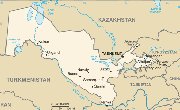
Formerly part of the Soviet Union, Uzbekistan is a doubly landlocked country in Central Asia.
According to a news release from SGA, for some time the organization's contacts in Uzbekistan have expressed concern about increasing government pressure against churches and religious groups.

SGA said Forum 18 News Service is reporting that Baptist pastor Konstantin Malchikovsky has been officially indicted on charges of "not paying in monies from church offerings and book sales."

Konstantin is pastor of the registered Hamza District Baptist Church in the Uzbek capital of Tashkent. The case was filed on July 15, and a local judge began hearing the case on the week of July 27.

SGA said the current case stems from events in the spring, when authorities raided the church. They confiscated money and tens of thousands of Christian books, as well as printing equipment. At the time, Malchikovsky and three other church members were fined between 50 and 100 times the minimum monthly wage. In the current indictment, the pastor could receive up to two years in jail if convicted.

SGA said this is in line with other troubling events in Uzbekistan, including the 2009 crackdown against the Baptists' Camp Joy for children, followed by the removal of the Baptist Union's leadership and heavy fines. Baptist leaders say in each case, the charges are completely false and have been fabricated by the authorities.

SGA President Bob Provost said in the news release, "We have asked our local Congressman's office to look into this situation, and have also asked Advocates International to investigate as well. Thus far, the Uzbek government has ignored appeals and criticism from Western governments and human rights groups, and continued with their crackdown."

For more information about the Slavic Gospel association go to www.sga.org


Jeremy Reynalds is Senior Correspondent for the ASSIST News Service, a freelance writer and also the founder and CEO of Joy Junction, New Mexico's largest emergency homeless shelter,http://www.joyjunction.org He has a master's degree in communication from the University of New Mexico, and a Ph.D. in intercultural education from Biola University in Los Angeles. His newest book is "Homeless in the City."


Additional details on "Homeless in the City" are available at http://www.homelessinthecity.com. Reynalds lives in Albuquerque, New Mexico. For more information contact: Jeremy Reynalds atjeremyreynalds@comcast.net.

Tuesday, July 26, 2011

Praying for A Miracle on Children's Religious Rights

Children's rights to attend
 worship services and functions
 in Tajikistan are under attack
 with new laws waiting to be passed.
 (Photo courtesy of Grace Episcopal Church)

Tajikistan (MNN) ―Parliament in Tajikistan adopted two new laws Thursday July 21 which would ban most children under the age of 18 from religious activities.

As reported by Forum 18, these documents are to be forwarded to President Emomali Rahmon for his approval. If President Rahmon signs these legal documents, it could spell out increased suppression of parent and child religious rights in the country.

Joel Griffith with Slavic Gospel Association says, "Apparently the Presidential administration was sort of behind [the effort] to put this kind of a law through to begin with, so the initiative came from there. So if it's not signed, it would certainly be a miracle."

Specifically, the two measures adopted are the Parental Responsibility Law and the Criminal Code amendments. These would affect many religious organizations, including churches in Tajikistan supported by Slavic Gospel Association.
The Parental Responsibility Law, in practice, would place a ban on most children under 18 from participating in religious activities. The Office of Human Rights in Tajikistan told Forum 18 that the law is needed especially for parents who lose control of their children to extremist religious groups.

"I'm sure the government would say that it's aimed basically at extremism," says Griffith. "It's really difficult to know what their real motivation is for passing such a thing, because it goes beyond targeting just what everybody would agree maybe would be extremist elements and ends up impacting mainstream as well.... As the law is worded, it would seem to impact everybody."

On top of that, the Parental Responsibility Law also calls for parents to restrict certain types of jewelry, tattoos, and even names they can choose for their kids.

This, paired with the amendments to the Criminal Code, demonstrates the type of penalty given to violators. A maximum of two years' imprisonment would be sentenced to organizers and participants in things such as unapproved gatherings, meetings, and demonstrations.

Griffith states, "You've got local churches themselves that would be impacted by this; there's question whether children would even be allowed to go to a worship service until they're 18 years old.... It's a matter of deep concern to the churches."

If the laws are enacted and put into practice, state religious affairs officials told Forum 18 that they have specialists who would be in place at religious services to be sure the laws are being followed. If they find kids or teens in religious activities, higher structures will be appealed to.

Griffith assures, "Evangelical churches are going to continue to proclaim the Gospel no matter what, and I'm sure that they are going to continue to teach their children the things of the Lord. But obviously as they proceed to do that, it would put churches and their families at great risk if this [proposed law] is enforced aggressively."

Please pray that these laws would not be signed by Tajikistan's President. If the laws are passed, pray that they truly are limited to extremist groups and would not endanger the evangelical church in the country and that the Lord would protect them.

Proverbs 21:1 says, "The king's heart is a stream of water in the hand of the LORD; He turns it wherever He will." (ESV)