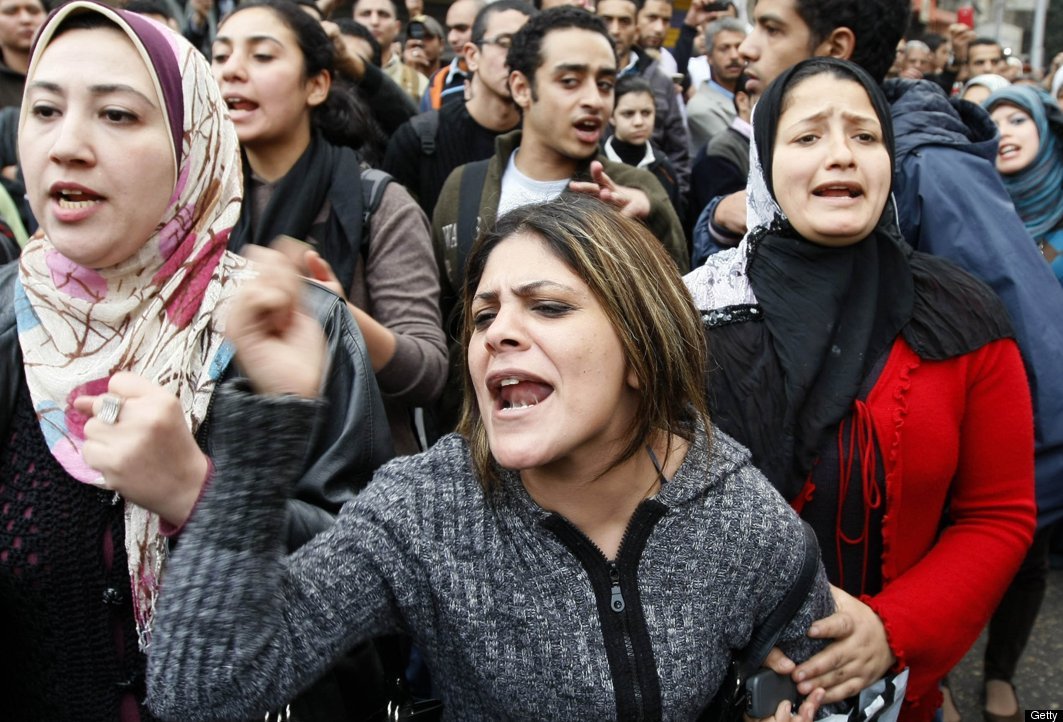
Egypt (MNN) ― Everybody loves the underdog. That's part of the magnetic draw of Egypt's ongoing Revolution.
There's a thrill of an uprising, the rooting for progress and the inevitable triumph should the downtrodden succeed in changing anything as seemingly immovable as government.
Pictures of nearly nightly protests reveal something unique in Egypt's demand for change. Church pastor Fawzi Wahib explains, "65% of our population is under the age of 25. So, most of those you see them interviewing in the media--on TV and in the newspaper--are over 50. There is a huge gap and misunderstanding, IF there is any understanding between the two generations."
Wahib is a well-known face in the Revolution, even laboring under the nickname, "Pastor of the Revolution," because of a message he gave in the early part of uprisings. He says that while the revolution is for Egypt, it's being led by the cream of the crop. "Those who consider themselves wise and try to make a plan for the future, are missing the point entirely.
These people of 25 and less have seen the dream come close to their hand, but all of a sudden, somebody came and took it away from them. They are willing to die to get this dream back and not let anybody take it from their hands."
Anger and frustration over not being heard and demands not being met has led to more waves of young patriots trying to effect some kind of change for the future of a sustainable country. "I think no one is going to stand against these waves of young people seeking freedom."
Wahib goes on to say that the passion shared for a new Egypt is contagious. The young adults want a country that will live up to its own public relations. Those confronting the police lines this week doubt the direction of the leadership and promises of the government. They're now calling for early elections, and "next week, on February 11, there is a call for a civilian's strike on the whole nation."
Students leading this movement represent all eight universities in Cairo. "Now you get the best educated people that are connected with real life who are leading this movement, and it gives you a clue about who is leading and where we are heading."
Among the more obvious demands: a civilian government and a plan to tackle a 35% unemployment rate (for those under 25) and growing economic distress. It all boils down to hope. Wahib said that desire was palpable on the "Day of Rage" in 2011 when he was called up on the stage.
He knew one misspoken word could destroy not only him, but also the credibility of Christians in the society. Suddenly, Isaiah 61:1 came to mind.
The Spirit of the Sovereign LORD is on me,
because the LORD has anointed me
to proclaim good news to the poor.
He has sent me to bind up the brokenhearted,
to proclaim freedom for the captives
and release from darkness for the prisoners.
because the LORD has anointed me
to proclaim good news to the poor.
He has sent me to bind up the brokenhearted,
to proclaim freedom for the captives
and release from darkness for the prisoners.
The crowd responded enthusiastically when he explained the freedom of hope. "'You know why Jesus came? He came to set the captive free. How many Egyptians are still captive until today? Jesus is still with us in the Square, because He wants to set the captive free!' Now, if you are totally politically motivated, then you understand the message."
Moments like that opened a lot of opportunities for the Church body to engage the community. Wahib says the whole team of pastors knew what the potential was. While they didn't plan a specific outreach campaign, they were poised to respond. First, they opened their doors to those who needed respite. "The Church became like a refuge. Muslims love to come into the church and sit. They find peace. Over all this, we had hundreds of contacts where we shared the Gospel without telling them it was evangelism."
Then, they responded with a field hospital for the wounded who were protesting right outside the church compound on Tahrir Square. That has been the pattern for over a year. It's obvious the Holy Spirit is moving. Hundreds are receiving visions and dreams and coming to Christ that way. The biggest issue now is how to disciple the hundreds that are coming.
Actually, the bigger "problem," says Wahib, is what they'll do with the thousands they're expecting to see before Revolution ends. Wahib says the church leadership is also part of the group that was getting a strong message that pointed to unity and revival.
Revival, Wahib says, begins in revolution.